

Producing, directing, or acting in films and plays features navigating a complex web of legal requirements. For instance, someone in intimacy 2001 reviews claiming to own the content can spark legal actions. From securing intellectual property rights to adhering to contracts and licensing laws, understanding these legal steps is essential for a successful and dispute-free production. Knowing the following considerations can protect your creative vision and ensure compliance, whether you are a seasoned professional or a newcomer to the industry.
Intellectual Property and Copyright
One of the foundational steps in dealing with films and plays is ensuring that the script, storyline, or concept does not infringe on existing copyrights. Securing the appropriate rights is mandatory if the material is based on a book, historical event, or another pre-existing work. This often involves negotiating with copyright holders or licensing agencies to obtain permission. For original works, registering the script or screenplay with a copyright office provides legal protection against unauthorized use. Protecting additional creative elements such as music, costumes, and set designs is also crucial. Consulting an intellectual property lawyer can help streamline this process and safeguard your work.
Contracts and Agreements

Films and plays rely heavily on collaboration among multiple parties, including actors, directors, crew members, and financiers. Clear and comprehensive contracts are essential to outline each party’s rights, responsibilities, and compensation. These contracts help mitigate disputes and provide a legal framework for resolving conflicts if they arise.
Licensing and Performance Rights
For plays, securing performance rights is a critical legal step. Licensing agreements must be obtained from the playwright or their estate if the play is based on a pre-existing script. Similarly, films require distribution licenses for screening in theaters, on streaming platforms, or during festivals. Licensing agreements typically specify the duration, geographical scope, and conditions of use. Adhering to these terms ensures compliance and prevents potential lawsuits.
Union and Guild Regulations
The entertainment industry is governed by unions and guilds that protect the interests of actors, writers, directors, and other creatives. Compliance with union rules is essential when hiring union-affiliated talent. For instance, actors affiliated with SAG-AFTRA must be compensated according to specific wage standards. Similarly, adherence to guild regulations for screenwriters or directors ensures a fair working environment and minimizes legal risks.
Insurance and Liability

Producing films and plays often involves risks, including injuries on set, property damage, or equipment loss. Obtaining insurance coverage tailored to the production’s needs is a vital step. Common types of insurance include:
- General Liability Insurance: To cover accidents or damages on set.
- Errors and Omissions Insurance: To protect against copyright infringement or defamation claims.
Insurance provides a safety net that helps manage unforeseen circumstances and financially protects production.
Compliance With Local Laws
Shooting or performing in different locations requires adherence to local regulations, including permits, safety standards, and zoning laws. Certain jurisdictions may have specific rules regarding noise levels, road closures, or the use of firearms during production. Working closely with local authorities ensures that all legal requirements are met, preventing delays or fines.
Navigating the legal steps involved in films and plays is critical to safeguarding the integrity of your production. By prioritizing intellectual property rights, drafting robust contracts, and adhering to licensing and union regulations, you can avoid common pitfalls and focus on delivering a successful project. Taking these steps protects your work and fosters a professional and ethical approach to creative endeavors.…



 Foster care adoption is the process of adopting a child who is in the state foster care system. In Florida, there are nearly 5000 children available for adoption from foster care. The average age of a child in foster care is seven years old, and most are placed in homes with families who have experience caring for children. If you are interested in adopting a child from foster care, you will need to contact the Florida Department of Children and Families.
 to handle all types of accident lawsuits. They include; vehicle accidents, construction accidents, product liability, medical malpractice, and slip, and fall injuries among the most popular ones. One can build a case from these with the guidance of such a lawyer. They provide you with the actual process of how it goes, and the expected outcome. It requires one who is an expert in this field. The following are factors to consider while selecting a personal injury lawyer:
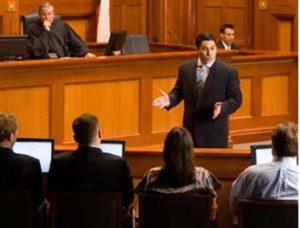 to resolving cases quickly as it is due to previous dealings with similar situations. From other lawyers, insurance companies, and court systems where they practice. An attorney’s reputation provides the added advantage as it precedes them from the plaintiff’s to the defendant’s and the court’s perspective of handling things the right way. It places the client in the best situation to recover as much as they deserve from what happened.…